
Physical fitness plays a prominent role in the education of young people, especially since the enthusiasm generated by the Paris 2024 Olympic Games. The significance of these events has highlighted the issues related to the health and physical activity of students, in a context where the fight against sedentary lifestyles appears as an urgent necessity. In 2025, a new measure will be introduced: fitness tests for students entering the sixth grade. These tests aim to detect students who may be struggling, both physically and academically, and will allow for better support for those in need. Thus, what crucial role will these fitness tests have for these young individuals?
The Objectives of Fitness Tests in the Sixth Grade
The fitness tests, which will include an assessment of speed, strength, and endurance, will fundamentally aim to identify students whose sporting potential could be affected by learning difficulties or health issues. A report published by the Ministry of National Education reveals that a majority of students (around 81%) do not reach a level of physical fitness deemed satisfactory. This figure underscores the urgent need to implement effective means to detect weaknesses.
Identifying At-Risk Students
By subjecting students to various physical tests, the objectives are multiple:
- Early Detection: Allowing an assessment of students upon their entry to middle school in order to identify those whose physical health might hinder their academic performance.
- Personalized Follow-Up: Offering tailored support to meet the needs of each student who shows signs of weakness in their physical activity.
- Promotion of Physical Activity: Encouraging all students to participate more in sports activities, thus reducing sedentary behavior.
A Link Between Physical Health and Academic Success
On several occasions, studies have highlighted the link between physical fitness and academic results. Indeed, according to analyses conducted by the Minister of National Education, students with good sports skills also demonstrate better academic performance. This could be explained by the positive effects of physical activity on the brain, such as improving concentration, memory, and stress management.
| Type of Test | Evaluation | Potential Health Impact |
|---|---|---|
| Speed Test (30 meters) | Measurement of agility and speed | Reduction of obesity risk |
| Endurance Test (Luc Léger) | Measurement of cardio-respiratory capacity | Improvement of heart health |
| Strength Test (long jump) | Evaluation of muscular strength | Reduction of injury risks |
The Implementation of Tests in Middle Schools
The start of the school year in September 2025 will thus see the introduction of these fitness tests in middle schools. Each student, aged 11, will be subjected to this battery of tests which, in addition to fitting within an educational framework, will allow for a moment of exchange around the benefits of regular physical activity.
Tailored Support
To ensure the effectiveness of these tests, it will be essential to train teachers in their implementation. The program 30 minutes of daily physical activity has already been a prelude to this initiative and has highlighted some inadequacies in supporting students. The results of teacher training will focus on revitalizing Physical and Sports Education (EPS) and ensuring better follow-up of students.
The Challenges Ahead
Despite this commendable ambition, challenges are emerging. First, teachers may face a lack of appropriate infrastructure and equipment. To address this issue, initiatives like those proposed by Société Générale or Intersport could provide additional resources to schools. Secondly, it is also important to ensure equality of opportunity among students – those who have access to sports outside of school and those who do not.
A Collaborative Approach Between Schools and Sports Stakeholders
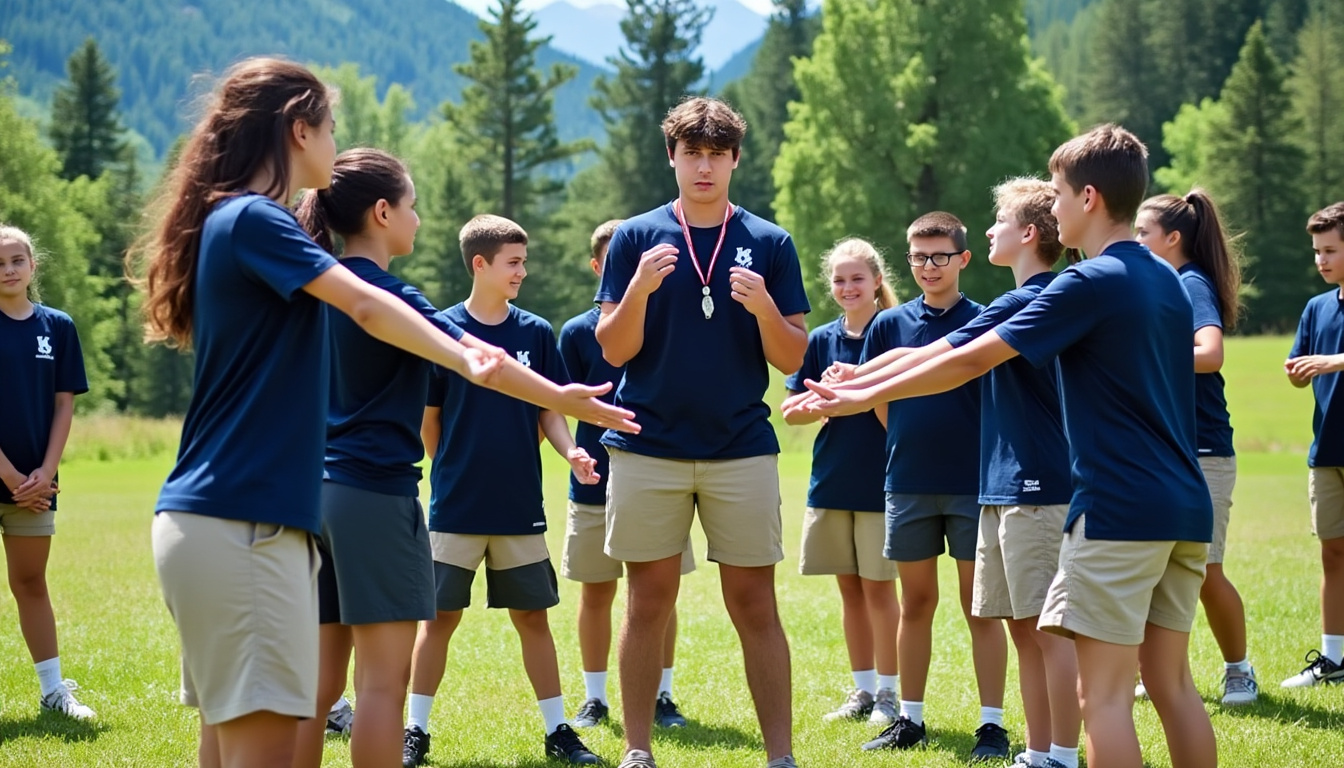
The success of these fitness tests will also depend on cooperation between educational institutions, vertically within the educational system, and with external sports associations. Meeting this demand requires appropriate infrastructure, but also a collaborative dynamic that encourages everyone’s commitment.
Partnerships with Sports Associations
Recent discussions indicate a clear desire to create partnerships between schools and stakeholders such as KinéSport or Éveil Sport. By allowing access to school facilities outside of class hours, it becomes possible to enhance the sporting practice of students. By facilitating access to infrastructure, young people can train in optimal conditions. These collaborations can be very enriching and beneficial for all.
Sports Events to Motivate Students
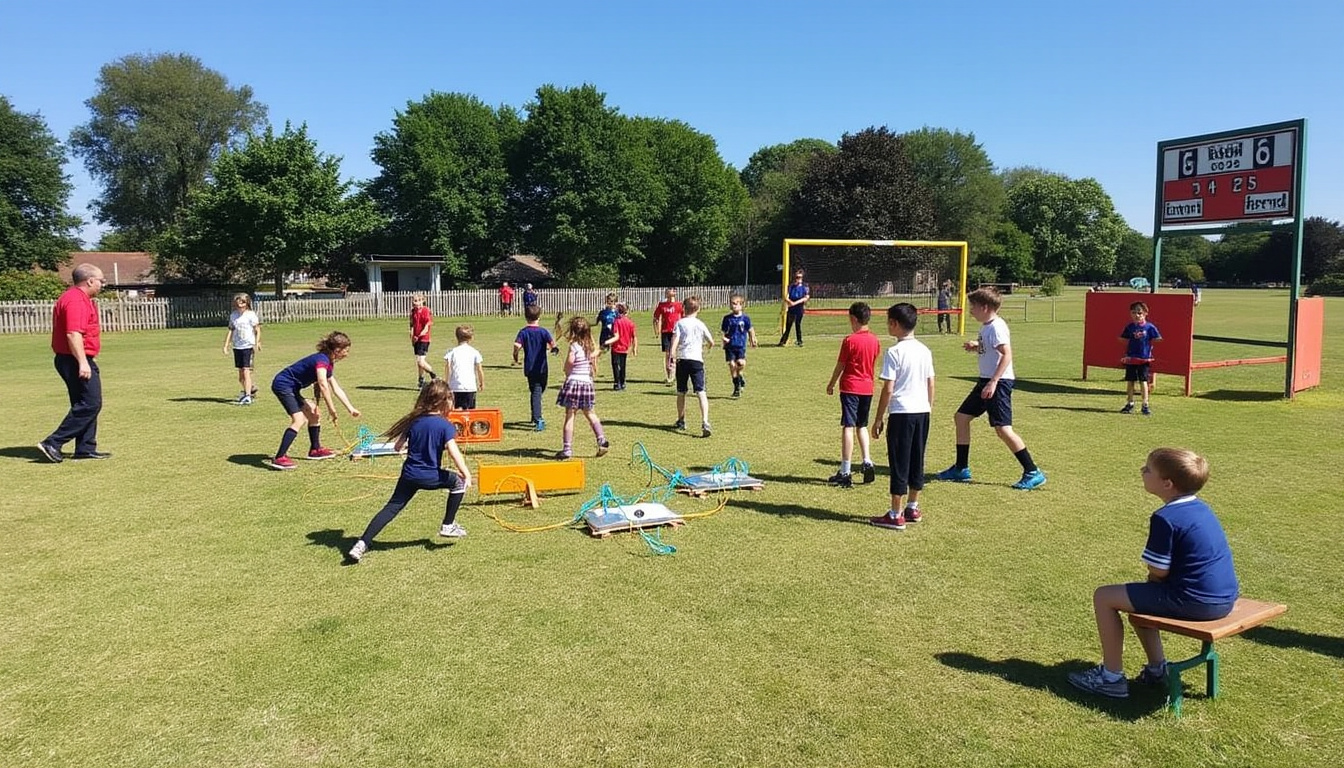
An extremely interesting avenue would be to organize sports events within middle schools, involving parents and educational teams. For example, days dedicated to discovering different sports or even inter-class competitions would help generate an atmosphere of friendliness and positive emulation. Initiatives like detection days for struggling students can also provide a conducive framework for awareness.
| Proposed Actions | Target Objectives | Involved Stakeholders |
|---|---|---|
| Sports Discovery Sessions | Arouse students’ sports interest | Schools, sports clubs, parents |
| Awareness Days | Promote physical activity | Educators, sports associations |
| Enhanced Access to Infrastructure | Encourage regular practice | Middle schools, municipalities, sponsors |
The Expected Positive Outcomes for Society
If these fitness tests prove effective, they could have significant repercussions on society as a whole. Better physical fitness among students could directly influence their future health, but also lead to collective benefits.
Healthier Students
By promoting the importance of physical activity from an early age, public health issues can be considerably alleviated. Indeed, the rise of problems such as obesity and diabetes among youth in 2025 represents an imperative to address. These initiatives, through enhanced sports education, bring an optimistic perspective.
Impact on Academic Success
The benefits of physical activity are not limited to health, but also affect student motivation, concentration, and sociability. A recent study revealed that in class, physically active young people are significantly more engaged, thus contributing to a more positive and warm school climate.
Conclusion on the Issues Surrounding Fitness Tests in the Sixth Grade
It makes sense to collect this data from a perspective of support and mutual aid. The introduction of these fitness tests for sixth grade students should not only be viewed as a measure at the individual level, but as a genuine lever for action for the educational system as a whole, emphasizing the importance of physical health as the foundation of academic success. Riding on the momentum created by the Olympic Games, this initiative could truly redefine young people’s relationship with physical activity and help build a healthier future.

My name is Lucas, and I am a fitness coach specializing in sports and well-being. Passionate about fitness and health, I am here to guide you on your journey toward better physical shape and a healthier life. Together, we will reach your goals and help you exceed your limits!